Tick Bite Treatment in NC: What You Need to Know
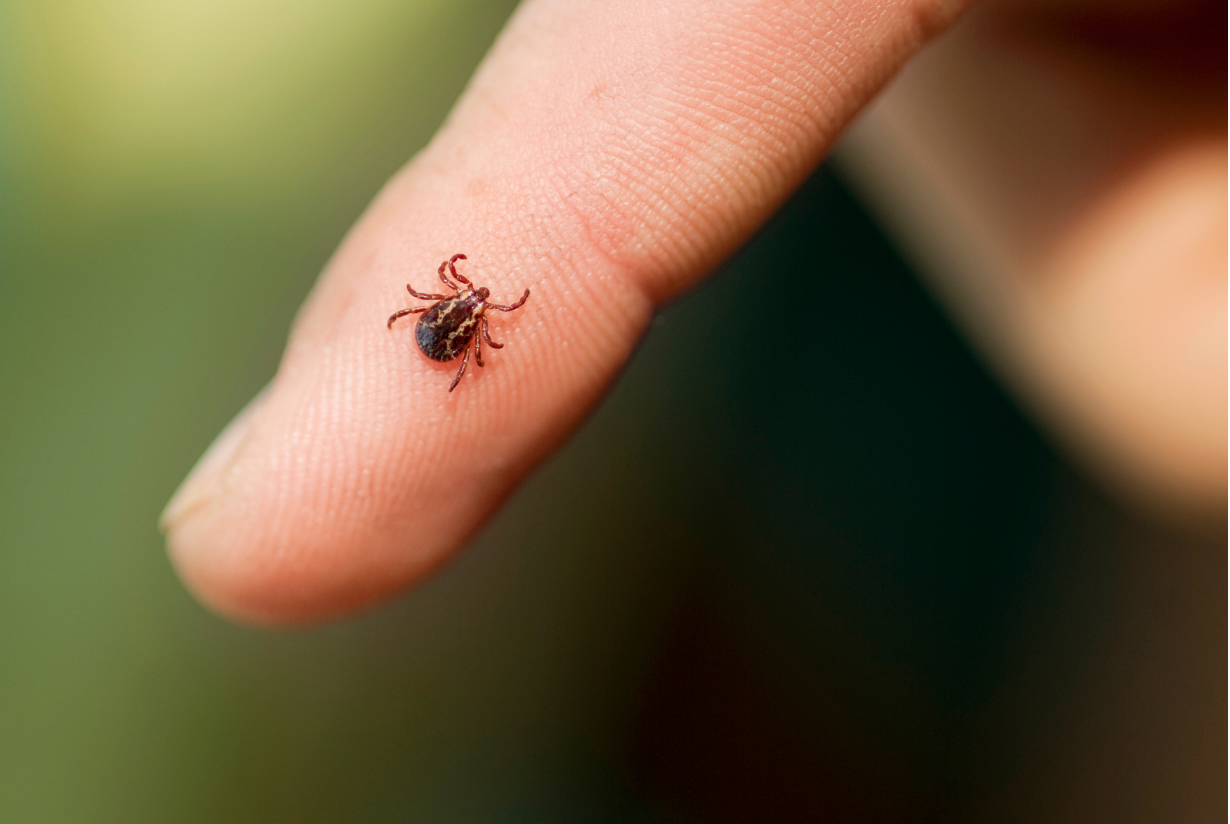
Tick bites are a common concern in North Carolina, especially during the spring and summer months when outdoor activity increases. Understanding tick bite treatment in NC, knowing which symptoms to watch for, and seeking timely medical care can help prevent serious tick-borne illnesses.
The most common tick-borne diseases in North Carolina include:
- Rocky Mountain Spotted Fever (RMSF)
- Ehrlichiosis
- Lyme Disease
Early recognition, prompt treatment, and preventive measures are key to reducing complications.
Preventing Tick Bites and Tick-Borne Illness
Prevention is your first line of defense against tick-borne diseases. We recommend the following steps, especially after outdoor activities such as hiking, gardening, or spending time in wooded or grassy areas:
- Wear long sleeves, long pants, and closed-toe shoes
- Use EPA-approved tick repellents
- Perform thorough tick checks on yourself, children, and pets
- Shower soon after being outdoors
- Remove ticks promptly using fine-tipped tweezers
Important note: Preventive (prophylactic) antibiotics after a tick bite are not routinely recommended unless:
- The tick is a black-legged tick (Ixodes scapularis)
- It was attached for more than 36 hours
- The patient is at high risk for Lyme disease
If you’re unsure, a primary care provider can help assess your risk.
Rocky Mountain Spotted Fever (RMSF)
Transmitted by the American Dog Tick
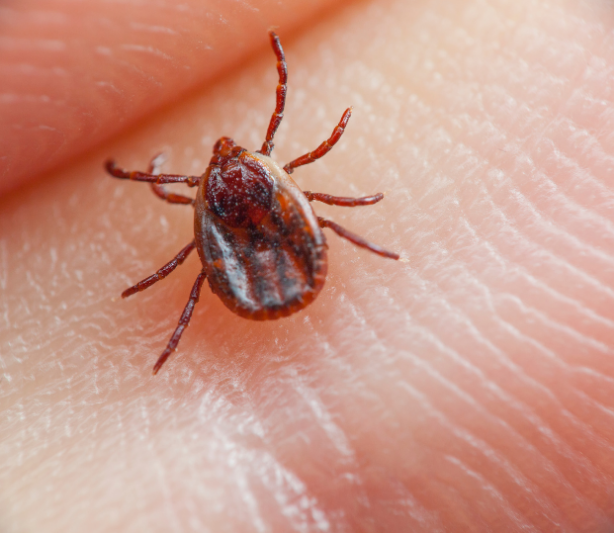
Rocky Mountain Spotted Fever (RMSF) is caused by the bacterium Rickettsia rickettsii and is transmitted by the American dog tick (Dermacentor variabilis), which is common in North Carolina.
Common Symptoms
- Fever
- Severe headache
- Muscle pain
- Rash (often starting on wrists and ankles)
The rash may become petechial (spotted) as the disease progresses.
Treatment
RMSF can be severe or life-threatening if not treated promptly. Doxycycline is the treatment of choice for all patients, including children and pregnant individuals. Early treatment significantly improves outcomes.
Ehrlichiosis
Transmitted by the Lone Star Tick
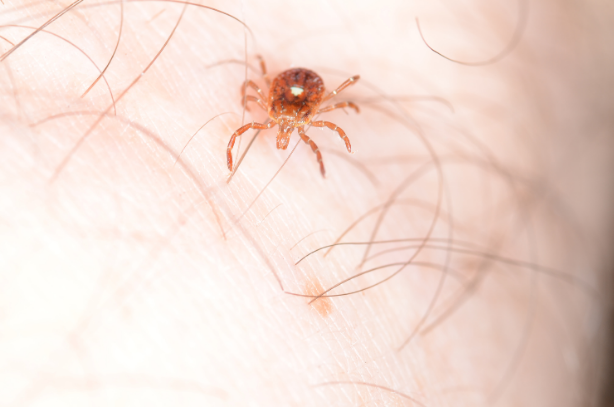
Ehrlichiosis is most commonly caused by Ehrlichia chaffeensis and spread by the lone star tick (Amblyomma americanum), another tick frequently found in North Carolina.
Common Symptoms
- Fever
- Headache
- Muscle aches
- Fatigue
- Occasionally a rash
Diagnosis & Treatment
Diagnosis is often based on symptoms, exposure history, and blood testing. Doxycycline is the recommended treatment and should be started promptly when ehrlichiosis is suspected.
Lyme Disease
Transmitted by the Black-Legged Tick
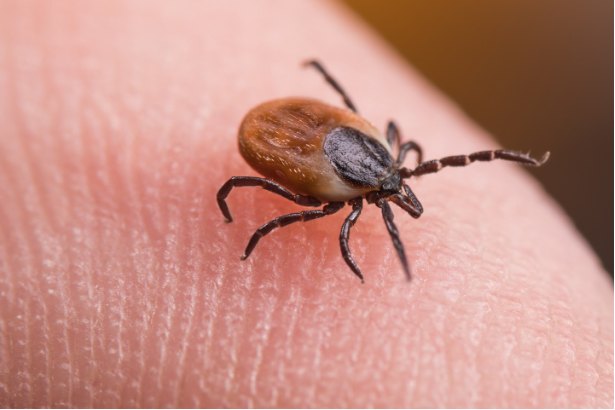
Lyme disease is caused by Borrelia burgdorferi and transmitted by the black-legged tick (Ixodes scapularis). While less common in North Carolina than in the Northeast, cases do occur — particularly in certain regions.
Early Symptoms
- Fever
- Fatigue
- Headache
- Erythema migrans rash (a slowly expanding “bull’s-eye” rash)
If untreated, Lyme disease can affect the joints, heart, and nervous system.
Treatment
According to the Infectious Diseases Society of America (IDSA), first-line treatments include:
- Doxycycline
- Amoxicillin
- Cefuroxime
Early diagnosis and treatment are essential to prevent long-term complications.
When to See a Primary Care Provider
You should seek medical care if you:
- Develop fever, rash, or flu-like symptoms after a tick bite
- Are unsure how long a tick was attached
- Have concerns about tick exposure or prevention
- Need guidance on testing or treatment
At McCrimmon Primary Care Plus, our providers can evaluate symptoms, guide testing when appropriate, and provide timely treatment — all within your primary care home.
Key Takeaway
Tick-borne illnesses in North Carolina are common but highly treatable when caught early. Awareness, prevention, and prompt care make all the difference.
Need Care After a Tick Bite or Exposure?
If you or a family member have been bitten by a tick, are experiencing symptoms, or simply want guidance on prevention and next steps, our care team is here to help.
At McCrimmon Primary Care Plus, we offer:
- Primary care evaluation and follow-up
- Same-day urgent care services for acute concerns
- Pediatric and adult care under one roof
- Coordinated testing and treatment when appropriate